
The top AI cloud business management platform tools are solutions that combine artificial intelligence with cloud-based software to help companies automate operations, improve decision-making, streamline workflows, and manage teams more efficiently. These platforms offer AI-powered analytics, process automation, CRM management, finance tools, project tracking, and scalable cloud infrastructure—all in one integrated system.
If you want to run a modern business with smarter automation, faster insights, and seamless cloud access from anywhere, these AI cloud platforms are essential.
Top AI Cloud Business Management Platform Tools
Artificial Intelligence and cloud technology have rapidly transformed how businesses operate. Today’s top tools don’t just store data or manage workflows—they analyze patterns, make recommendations, automate manual tasks, and support smart decision-making.
Below is a comprehensive guide to the best AI cloud business management platforms in 2026, what they offer, and how they can benefit businesses of all sizes.
1. Salesforce Einstein

Salesforce Einstein is one of the world’s most advanced AI-powered CRM and cloud management platforms. It integrates seamlessly within Salesforce Cloud to deliver predictive analytics, automation, and personalized customer insights.
Key Features
- AI-driven sales forecasting
- Automated lead scoring
- Smart customer support routing
- Natural language processing for customer queries
- Cloud-based scalability
Why It’s Great
Businesses get a powerful ecosystem where marketing, sales, and support seamlessly integrate. Einstein’s predictive insights help companies make faster decisions without manual data analysis.
2. Microsoft Dynamics 365 + Azure AI
Microsoft Dynamics 365 merged with Azure AI offers a full suite of business management tools powered by machine learning, automation, and real-time analytics.
Key Features
- AI-powered ERP and CRM
- Intelligent supply chain automation
- Predictive financial insights
- Cloud-native architecture
- Seamless integration with Microsoft apps (Teams, Office, Power BI)
Why It’s Great
Perfect for enterprises that want a unified cloud system. Dynamics 365 helps minimize operational costs and enhances decision-making through AI-driven recommendations.
3. Google Cloud AI for Business Operations

Google Cloud AI provides business management capabilities through automation, data analytics, and cloud tools designed for fast-growing companies.
Key Features
- AI workflow automation
- Real-time analytics dashboards
- Advanced natural language understanding
- Robust security with Google’s infrastructure
- Scalable business applications
Why It’s Great
Its strength lies in data intelligence. Businesses rely on Google Cloud for forecasting, customer analytics, demand prediction, and operational automation at massive scale.
4. Zoho One with Zia AI

Zoho One is a complete cloud-based business operating system enhanced by Zia, an AI assistant that helps with automation, analytics, and intelligent recommendations.
Key Features
- AI-powered CRM
- Automated workflows and task management
- Predictive business analytics
- Smart email and communication insights
- 40+ integrated cloud applications
Why It’s Great
Zoho One is cost-effective and ideal for small and medium businesses. Zia helps automate routine work and provides smart suggestions across all Zoho apps.
5. Oracle Fusion Cloud + Oracle AI

Oracle Fusion Cloud is known for its advanced enterprise-level business management capabilities. With Oracle AI integrated, businesses gain intelligent automation, performance insights, and financial forecasting.
Key Features
- AI-driven ERP solutions
- Smart financial management tools
- Autonomous database
- Supply chain optimization
- Global business intelligence
Why It’s Great
Enterprises choose Oracle for its strong performance in finance, operations, and global business management. The AI features reduce manual work and offer deep analytics.
6. SAP Business Technology Platform (SAP BTP)
SAP BTP integrates AI, cloud computing, and business analytics into one robust platform. It supports end-to-end business processes across industries.
Key Features
- Intelligent ERP
- AI-based workflow automation
- Predictive analytics for business operations
- Cloud-based database and app development
- Support for large-scale enterprise workflows
Why It’s Great
SAP BTP is perfect for multi-national companies with complex systems. The AI tools offer powerful automation and insights tailored to real-world supply chains and finance operations.
7. Monday.com Work OS with AI
Monday.com is a cloud-based work management platform with built-in AI that simplifies workflows, automates tasks, and enhances collaboration.
Key Features
- AI-powered task automation
- Smart project predictions
- Workflow analytics
- Cross-team collaboration
- Cloud-based dashboards
Why It’s Great
The platform is visual, easy to use, and helps teams streamline everything—from project management to operations—with AI recommendations.
8. HubSpot CRM + HubSpot AI
HubSpot offers an all-in-one cloud CRM platform enhanced with artificial intelligence for marketing, sales, and service automation.
Key Features
- AI-written content and emails
- Predictive lead scoring
- Smart workflows for sales and marketing
- Cloud-based customer management
- Real-time performance insights
Why It’s Great
HubSpot is ideal for startups and growing businesses focused on customer-centric growth. The AI tools help automate communication and improve customer engagement.
9. Notion AI for Business Management
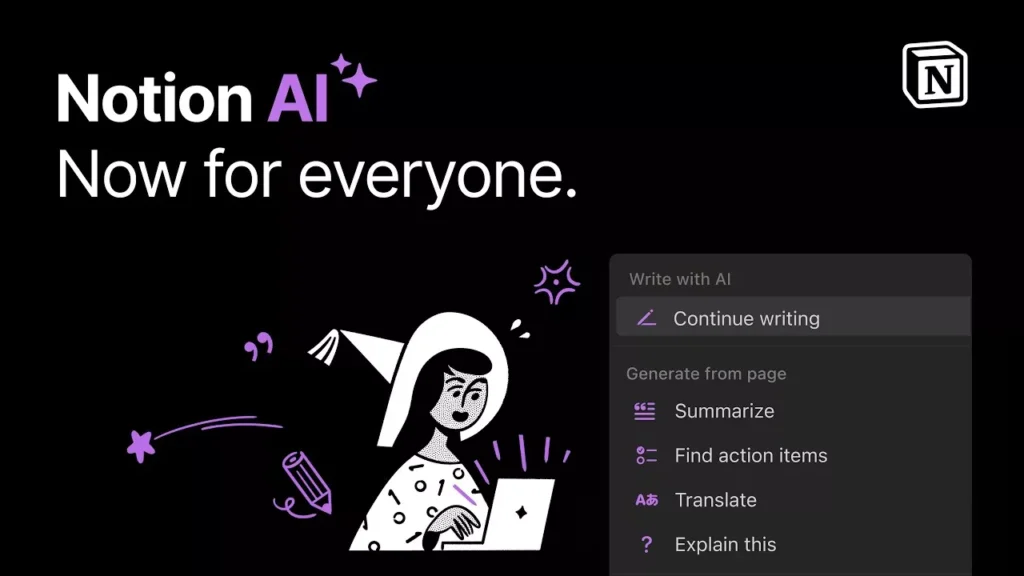
Notion AI transforms Notion’s cloud workspace into an intelligent business management tool for documentation, planning, and internal operations.
Key Features
- AI-generated reports and summaries
- Content automation
- Predictive project insights
- Workflow optimization
- All-in-one cloud workspace
Why It’s Great
Notion AI reduces busywork by automating writing, planning, and data organization. It’s extremely flexible and ideal for small teams with creative workflows.
10. ClickUp AI Cloud Workspace
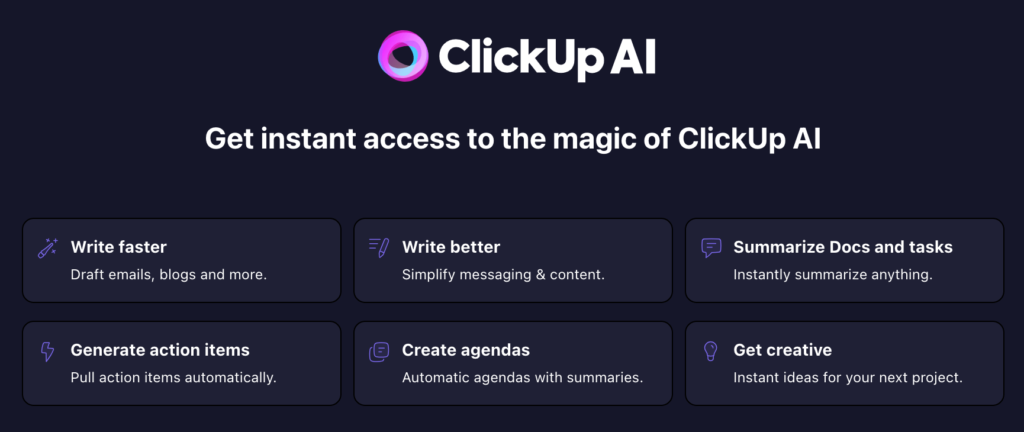
ClickUp is a cloud-based project and business management tool enhanced with AI to help teams manage tasks, documents, and workflows at scale.
Key Features
- AI-generated workflows
- Automated writing and task planning
- Real-time dashboards
- Multi-department collaboration
- Workload prediction
Why It’s Great
ClickUp is ideal for productivity-focused teams. The AI system helps with planning, writing, and optimizing performance through smart insights.
Why Businesses Need AI Cloud Management Tools Today
In today’s fast-paced digital world, AI cloud management tools have shifted from being a competitive advantage to an absolute necessity. Businesses across every industry—whether small startups or global enterprises—are adopting these platforms to stay efficient, agile, and future-ready. Here’s a deeper look at why AI cloud tools are so crucial today.
A. Automating Repetitive and Time-Consuming Tasks
Every business struggles with repetitive tasks that drain time, money, and human energy. AI cloud platforms take over these manual processes with speed and accuracy, allowing teams to focus on high-value work.
AI can intelligently automate:
- Data entry and record updates
- Email organization and auto-responses
- Invoice generation and financial processing
- Customer service routing and chatbot support
By eliminating routine workloads, businesses significantly boost productivity, reduce errors, and streamline operations across all departments.
B. Enabling Smarter, Data-Driven Decision-Making
Modern businesses generate massive amounts of data every day, but without AI, most of it goes unused. AI cloud tools step in to analyze complex datasets in real time—something impossible to do manually.
These tools provide:
- Accurate business predictions
- Deep operational insights
- Automatic alerts for risks or opportunities
- AI-backed recommendations for better decisions
Leaders can make confident, strategic choices based on real evidence instead of guesswork.
C. Real-Time Access and Seamless Remote Collaboration
As remote and hybrid work environments become the norm, cloud-based systems allow teams to stay connected from anywhere. AI enhances this experience by ensuring data, tools, and insights remain instantly accessible.
With AI cloud platforms, businesses gain:
- Flexible remote work capability
- Real-time collaboration across countries and time zones
- Instant synchronization of files, tasks, and dashboards
This allows teams to work smarter, not harder—anytime, anywhere.
D. Significant Cost Savings for Every Business Size
Operating traditional on-premise systems requires expensive hardware, constant upgrades, and specialized technicians. AI cloud platforms eliminate these costs by offering a modern, scalable infrastructure.
They help reduce:
- Upfront IT hardware expenses
- Software installation and licensing complexity
- Ongoing maintenance and technical overhead
The result? Lower operational costs and higher long-term efficiency.
E. Effortless Scalability and Future-Ready Growth
As your business grows, so does the need for more tools, storage, automation, and support. AI cloud platforms are built to scale instantly—no additional servers or complicated migrations required.
Whether it’s ten users or ten thousand, these platforms expand effortlessly to match your needs, making them ideal for:
- Startups growing rapidly
- Mid-size businesses expanding operations
- Enterprises managing global teams
Scalability ensures businesses stay flexible and prepared for future demands without disruption.
How to Choose the Right AI Cloud Business Platform
Selecting the right AI-powered cloud platform can be a game-changer for your business. The ideal tool should not only align with your company’s size and goals but also integrate seamlessly into your existing workflows. Here are the key factors to consider before making your decision:
i. Business Size and Scale
Different platforms are designed to serve organizations of varying sizes. Choosing a solution that matches your scale ensures efficiency and cost-effectiveness.
- Small Teams & Startups: Tools like Zoho, HubSpot, Notion, and Monday.com are lightweight, affordable, and easy to adopt. They offer essential features without overwhelming smaller teams.
- Mid-Sized Businesses: Platforms such as ClickUp and Microsoft Dynamics 365 provide more robust functionality, balancing affordability with advanced features like automation and analytics.
- Large Enterprises: For complex operations, Oracle, SAP, and Salesforce deliver enterprise-grade solutions with deep customization, scalability, and advanced AI-driven insights.
ii. Required Features
Before investing, identify the core functionalities your business needs. AI cloud platforms often specialize in certain areas, so clarity here prevents overspending or underutilization.
- CRM (Customer Relationship Management) – Manage leads, sales pipelines, and customer engagement.
- ERP (Enterprise Resource Planning) – Streamline finance, supply chain, and HR processes.
- Project Management – Organize tasks, timelines, and team collaboration.
- Automation – Reduce manual work with AI-driven workflows.
- Analytics – Gain actionable insights from data to guide decision-making.
- Collaboration Tools – Enhance teamwork with shared dashboards, chat, and file management.
iii. Integration Support
Your AI cloud platform should work in harmony with the tools you already use. Seamless integration avoids duplication and ensures smooth workflows.
- Communication Tools: Slack, Microsoft Teams
- Productivity Suites: Google Workspace, Office 365
- Financial Systems: Payment gateways, accounting apps like QuickBooks or Xero
- Other Business Apps: Marketing automation, HR software, or e-commerce platforms
iv. Budget and Pricing Flexibility
Cloud platforms vary widely in cost. Some offer free tiers for small teams, while enterprise solutions can be a significant investment. Look for:
- Flexible subscription plans that scale with your growth.
- Transparent pricing models to avoid hidden costs.
- Trial periods or demos to test usability before committing.
v. Ease of Use and User Experience
AI should simplify processes, not add complexity. A platform with an intuitive interface ensures faster adoption and higher productivity.
- User-Friendly Dashboards: Clear navigation and customizable views.
- Minimal Training Required: Teams should be able to adapt quickly.
- Mobile Accessibility: Cloud tools should be usable on the go.
Future of AI Cloud Business Management Platforms
As we move into 2026 and beyond, AI-driven cloud business platforms are set to transform the way organizations operate. These platforms will evolve from being supportive tools into autonomous, intelligent ecosystems that drive decision-making, streamline workflows, and unlock new levels of efficiency.
Emerging Trends to Watch
- Autonomous AI Decision-Making Platforms will increasingly make strategic and operational decisions without human intervention, leveraging predictive analytics and machine learning to optimize outcomes in real time.
- Hyper-Personalized Enterprise Workflows AI will tailor processes to individual roles, departments, and even employees, ensuring maximum productivity and seamless collaboration across the organization.
- Fully Automated CRM and ERP Systems Customer relationship management (CRM) and enterprise resource planning (ERP) will become self-operating, reducing manual input and delivering instant insights into customer behavior, supply chains, and financial operations.
- Real-Time Forecasting Across All Business Units AI-powered forecasting will provide continuous, accurate predictions for sales, demand, resource allocation, and market trends, enabling businesses to stay agile and proactive.
- Deep AI Integration with IoT and Edge Computing By connecting with IoT devices and leveraging edge computing, platforms will process data closer to its source, enabling faster decision-making and smarter automation across industries like manufacturing, logistics, and healthcare.
The Business Environment of the Future
The future of AI cloud business management platforms is not just about efficiency—it’s about creating a self-optimizing business environment. Organizations will operate in ecosystems where AI continuously learns, adapts, and evolves, driving growth while reducing complexity.
In this new era, businesses that embrace AI cloud platforms will gain a decisive competitive edge, transforming challenges into opportunities and shaping a smarter, more connected world.
Final Thoughts
AI cloud business management tools are redefining the way modern companies operate—and their impact will only continue to grow in 2026 and beyond. These platforms simplify complex processes, automate time-consuming tasks, improve decision-making with real-time insights, and significantly enhance overall productivity.
No matter your role—startup founder, enterprise leader, or operations manager—integrating AI-driven cloud tools is one of the most effective ways to future-proof your business. By embracing these technologies today, you position your organization for smarter growth, stronger performance, and long-term success in a rapidly evolving digital world.