
If you’re looking for the best AI avatar tools to host virtual events smoothly, professionally, and with high audience engagement, this guide gives you the direct answer right away:
The top AI avatar tools for virtual event hosting today are HeyGen, Synthesia, Reals by MetaHuman, Animaze, LoomieLive, Vyond AI, D-ID, Elai.io, Zoom AI Avatars, and Buddy AI Avatars. These platforms help you create hyper-realistic or animated avatars, automate event presentations, enhance interaction, and keep virtual audiences engaged effortlessly.
Now, let’s dive deeper into how they work, what makes each tool special, and how you can choose the right one for your next virtual event.
Why AI Avatar Tools Matter in Virtual Event Hosting
Virtual events—webinars, conferences, workshops, product launches—are now a core part of global communication. But audiences get bored easily when staring at static slides or plain video feeds.
This is where AI avatar tools come in.
These platforms help you:
- Present with a lifelike virtual host
- Make content more immersive and dynamic
- Keep viewers engaged with visual storytelling
- Scale events without needing live presenters
- Personalize communication at large scale
- Add multilingual or culturally adaptive hosts
Whether you’re a business, educator, creator, or event professional, AI avatars upgrade your event from basic to memorable.
List of Top AI Avatar Tools for Virtual Event Hosting
Below is a breakdown of the 10 best AI avatar tools that can elevate your virtual event experience—from realism to engagement, automation, and multilingual capabilities.
1. HeyGen – Best for Ultra-Realistic Virtual Event Hosts
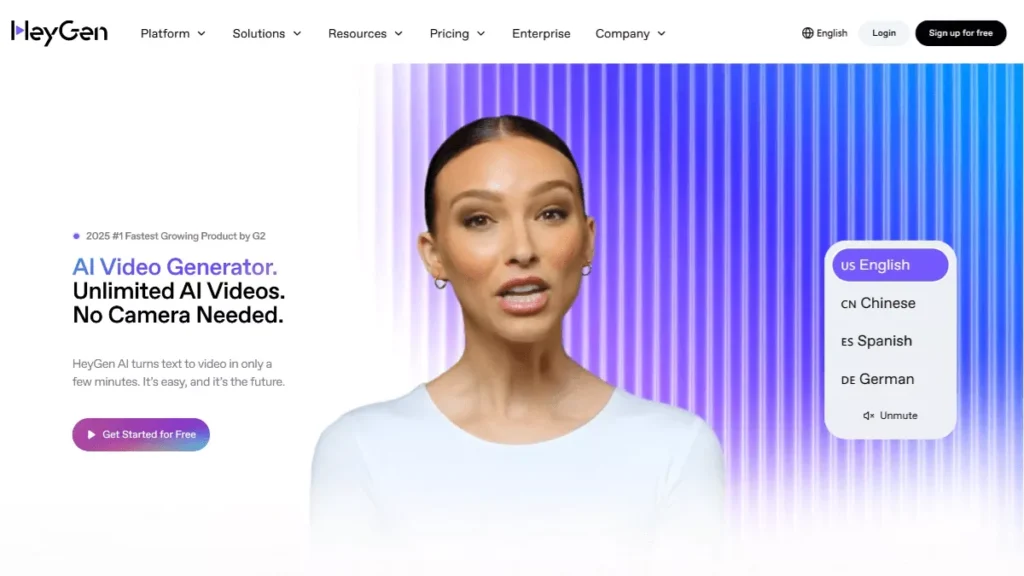
HeyGen has quickly become a favorite for professionals who want their virtual events to look polished and life-like. Its avatars feel almost real, with smooth lip-syncing, natural expressions, and studio-quality visuals.
Best Features
- Ultra-realistic presenters that closely mimic real humans
- Multilingual lip-syncing that supports global audiences
- Script-to-video automation for quick presentation creation
- Talking photo and face-swap tools for personalization
- Custom branded avatars for companies and keynote speakers
Why It Works for Events
HeyGen is ideal when you need a host who looks like a real person—without actually needing someone on camera. From corporate meetings and internal trainings to major product launches, HeyGen helps you deliver polished presentations consistently and at scale.
2. Synthesia – Best for Corporate Events, Webinars & Trainings
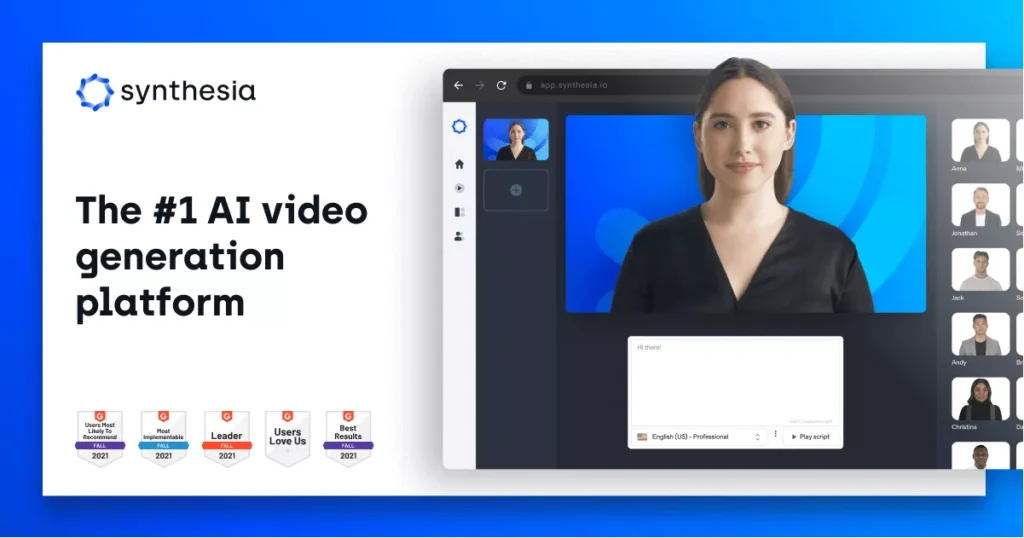
Synthesia is trusted by enterprises worldwide, and for good reason. Its avatar videos look refined, professional, and perfect for large organizational events.
Best Features
- Over 160 diverse AI avatars
- High-quality, natural-sounding voiceovers
- 120+ languages and accents
- Intuitive templates for quick creation
- Custom avatar options for brands
Why It Works for Events
If you host recurring webinars, training modules, or corporate events, Synthesia helps you streamline everything. You can produce consistent, high-quality videos without ever setting up a camera—making scaling effortless.
3. Reals by MetaHuman – Best for Hyper-Realistic CGI Hosts
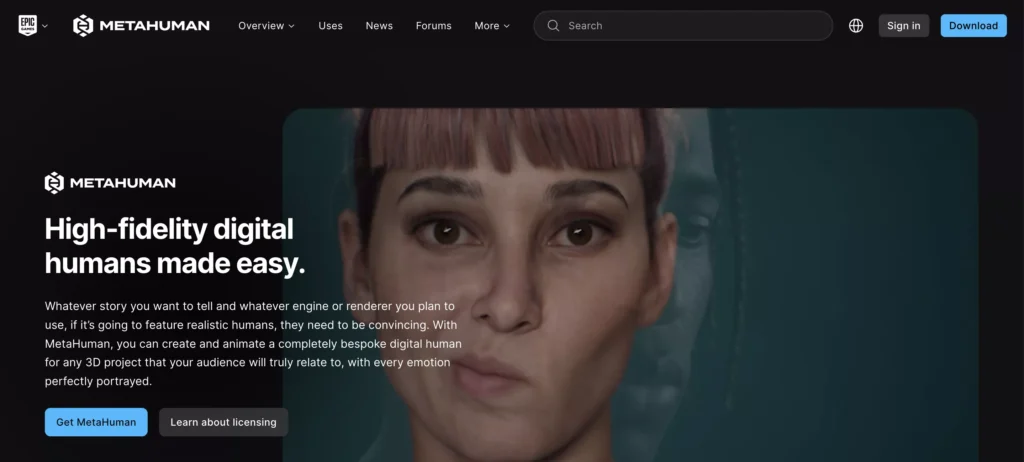
For brands that want visual perfection, MetaHuman by Unreal Engine offers some of the most realistic digital humans ever created. These avatars can be so detailed that viewers may not realize they’re CGI.
Best Features
- Photorealistic facial detail
- Full-body motion and realistic gestures
- Real-time animation
- Facial motion capture
- Highly customizable characters
Why It Works for Events
This is the gold standard for premium events—think virtual conferences, immersive storytelling sessions, or futuristic brand presentations. If you want your event to feel cinematic and cutting-edge, MetaHuman is unmatched.
4. Animaze – Best for Fun, Playful & Gamified Event Hosting
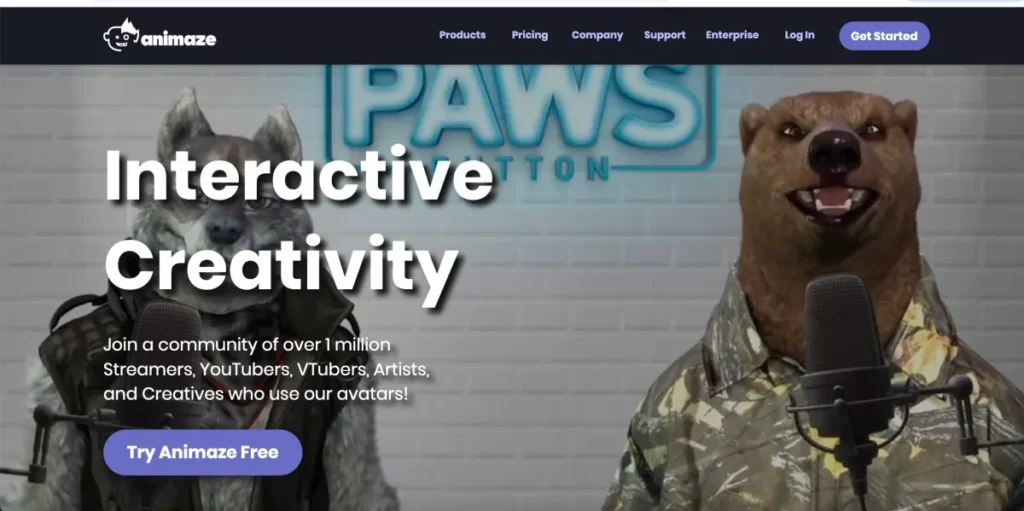
Animaze brings animated characters to life, making it perfect for streamers, entertainers, and anyone who wants a playful approach to virtual events.
Best Features
- Real-time 3D avatar animation
- Facial tracking for expressive reactions
- Huge catalog of cartoon, fantasy, and custom avatars
- Perfect for livestreams and interactive sessions
Why It Works for Events
If your event targets creators, gamers, children, or entertainment-driven audiences, Animaze adds charm and personality that traditional hosts can’t match.
5. LoomieLive – Best for Professional 3D Animated Avatars
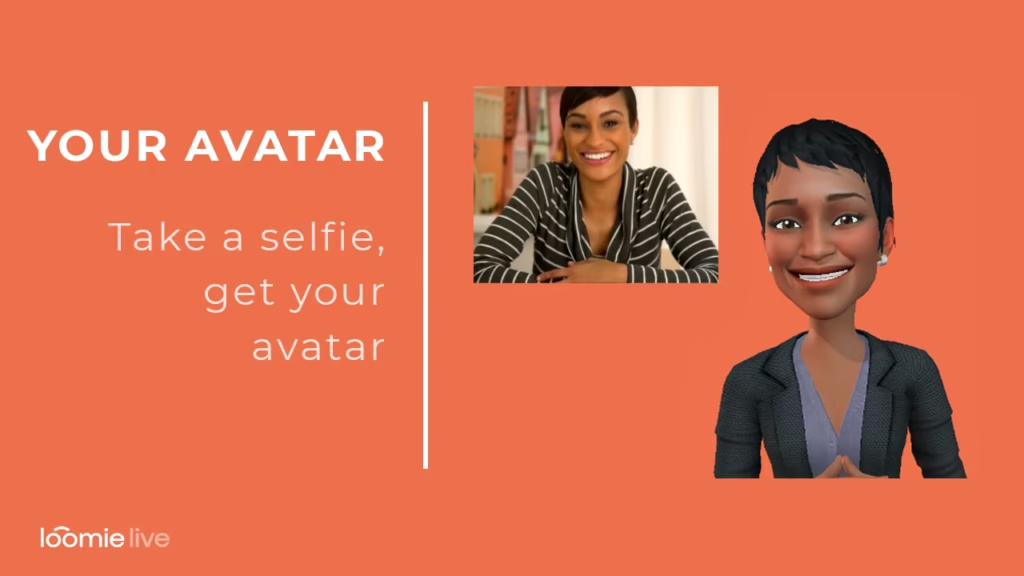
LoomieLive blends simplicity and professionalism with its clean 3D avatars designed for business meetings, workshops, and online training sessions.
Best Features
- Real-time avatar gestures and movement
- Business-friendly avatar personas
- Works natively in Zoom, Teams, Google Meet
- Fully customizable backgrounds and stages
Why It Works for Events
Perfect for hosts who prefer privacy but still want to present in a relatable, animated form. It keeps your event engaging while maintaining a professional tone.
6. Vyond AI – Best for Animated Event Storytelling

Vyond is not a photorealistic avatar tool, but it excels at creating animated narratives that simplify complex ideas and keep audiences deeply engaged.
Best Features
- AI-generated character movements
- Automated scene creation
- Fully animated presentation videos
- Voice-to-lip-sync animation
Why It Works for Events
If you host educational sessions, onboarding webinars, or marketing presentations, Vyond lets you build vivid stories that audiences remember long after the event ends.
7. D-ID – Best for Real-Time Talking Avatars
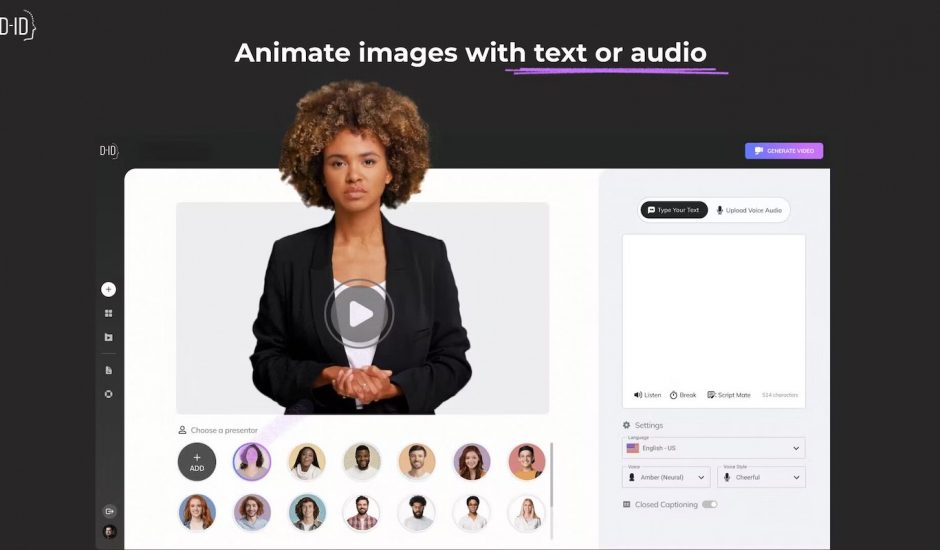
D-ID focuses on making static images come alive through advanced AI-driven animation. Its avatars speak naturally and can even engage in real-time conversations.
Best Features
- Real-time talking avatars
- Live interactive hosts
- Natural expressions and movement
- Script-to-avatar video creation
- Photorealistic character animation
Why It Works for Events
D-ID is fantastic for interactive webinars, product demos, and Q&A sessions where your avatar host responds dynamically, creating a two-way conversation.
8. Elai.io – Best for Multilingual Global Events
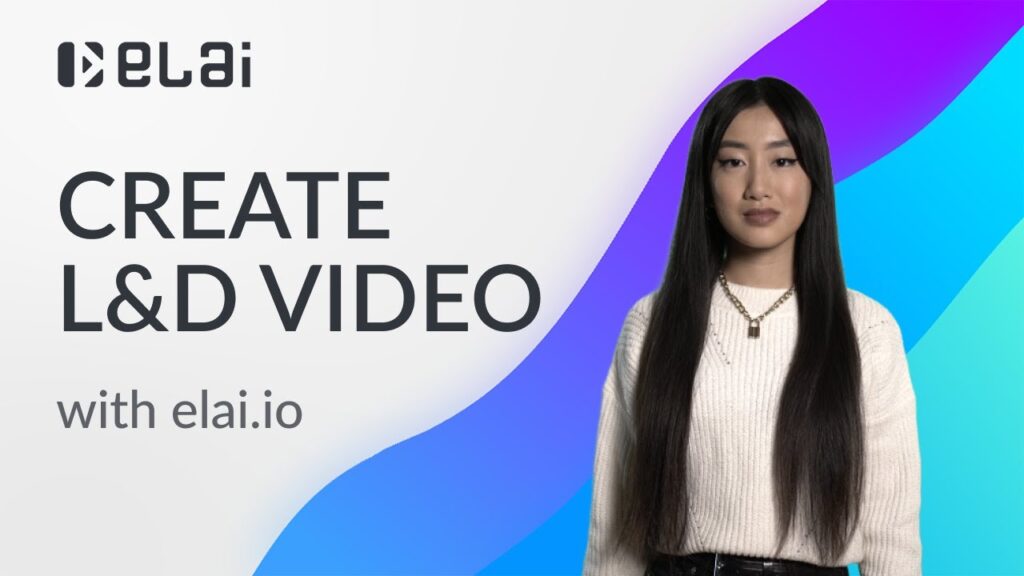
Elai.io is built for scalability and global outreach. If your attendees come from around the world, Elai ensures you can speak every language with accurate lip-sync and natural delivery.
Best Features
- Multilingual presenters
- Convert URLs or PDFs into video presentations
- Custom avatar creation
- Ready-made presenter templates
Why It Works for Events
Perfect for organizations that need the same event content translated into many languages—without re-recording anything manually.
9. Zoom AI Avatars – Best Built-In Solution for Live Webinars
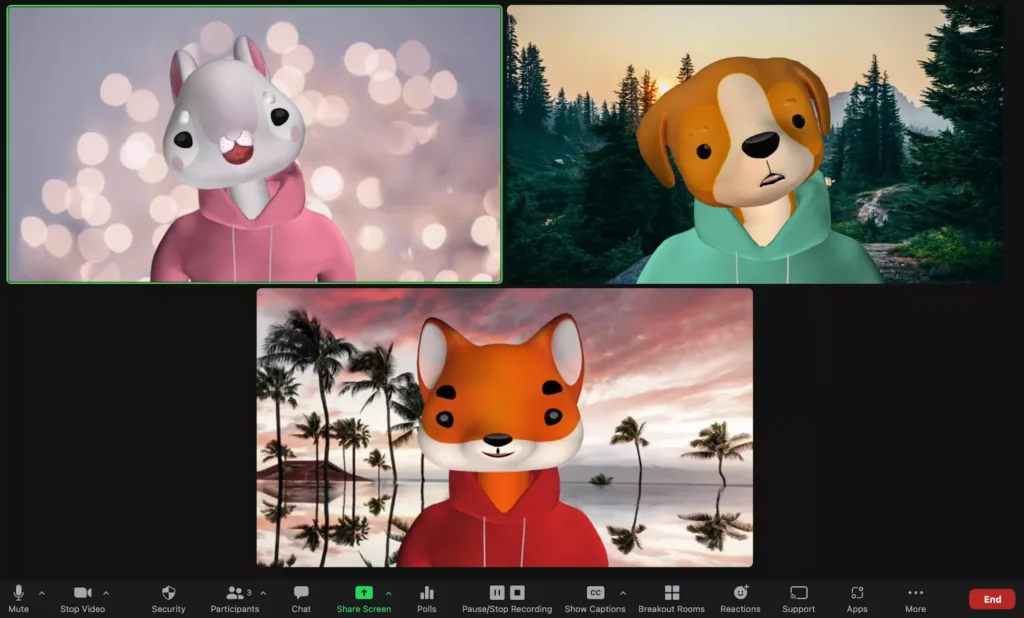
Zoom’s built-in AI avatars give hosts a creative and engaging way to present without using their camera. They blend seamlessly into Zoom meetings and webinars.
Best Features
- Personalized animated avatars
- Real-time lip syncing
- Natural head and body movement
- No extra installation required
Why It Works for Events
If you’re already hosting events on Zoom, this is a no-brainer. It adds personality to your sessions while keeping setup incredibly simple.
10. Buddy AI Avatars – Best for Hybrid & Automated Events
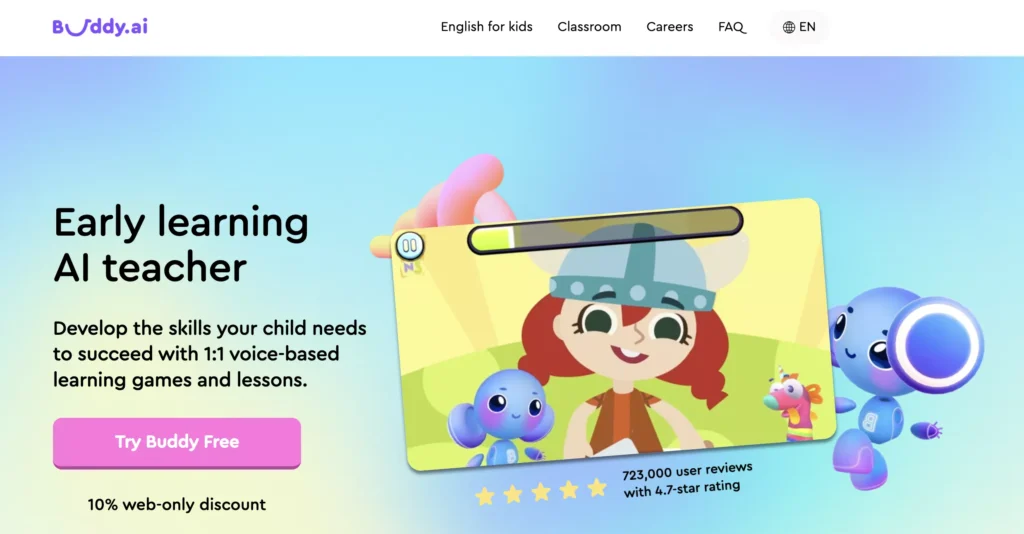
Buddy AI focuses on interactive, hybrid-style events—where some segments may be live and others fully automated.
Best Features
- Realistic avatars
- Real-time hosting with AI
- Automated Q&A functionality
- Integrations with event and webinar platforms
Why It Works for Events
If you want an event that runs smoothly even when you can’t be live the entire time, Buddy AI acts as a reliable co-host, keeping the audience engaged throughout.
Comparison Table: Best AI Avatar Tools at a Glance
| Tool | Best For | Realism Level | Live Hosting | Multilingual |
|---|---|---|---|---|
| HeyGen | Realistic virtual hosts | ⭐⭐⭐⭐ | No | Yes |
| Synthesia | Corporate events | ⭐⭐⭐⭐ | No | Yes |
| Reals by MetaHuman | Hyper-realistic avatars | ⭐⭐⭐⭐⭐ | Yes | No |
| Animaze | Fun events & streams | ⭐⭐⭐ | Yes | No |
| LoomieLive | Professional animated avatars | ⭐⭐⭐ | Yes | No |
| Vyond AI | Animated storytelling | ⭐⭐ | No | Yes |
| D-ID | Talking avatars | ⭐⭐⭐⭐ | Yes | Yes |
| Elai.io | Global events | ⭐⭐⭐ | No | Yes |
| Zoom AI Avatars | Easy webinar integration | ⭐⭐ | Yes | No |
| Buddy AI Avatars | Hybrid events | ⭐⭐⭐ | Yes | Yes |
How AI Avatars Help You Host Better Virtual Events
AI avatars transform virtual events by acting as polished, reliable hosts that deliver content consistently, engage audiences visually, and scale across time zones and languages. Below is an expanded, practical look at the key benefits and how to get the most from each one.
1. Save Time and Reduce Recording Effort
What this means: Instead of scheduling multiple live recordings, coordinating presenters, or redoing takes, you create a single script and let the avatar deliver it flawlessly every time.
Why it matters: Producing live or recorded sessions traditionally requires rehearsals, retakes, and editing. AI avatars cut that overhead by generating repeatable, high-quality presentations from text or a short voice sample. This frees your team to focus on content strategy, visuals, and audience interaction rather than production logistics.
Practical tips
- Draft tight scripts with clear cues for slides, polls, and transitions.
- Use short segments (3–7 minutes) so updates are quick and re-rendering is fast.
- Keep a library of reusable avatar intros, outros, and CTAs to speed future productions.
2. Perfect for Camera-Shy Presenters
What this means: Presenters who dislike being on camera can still deliver their expertise through a professional-looking avatar that represents them or the brand.
Why it matters: Not everyone is comfortable on video, and forcing on-camera appearances can reduce authenticity or increase stress. Avatars let subject-matter experts contribute without the pressure of live performance, preserving their voice and knowledge while presenting a confident, polished face to the audience.
Practical tips
- Record audio or provide a script; many platforms will generate natural speech from text.
- Offer presenters the option to review and approve avatar takes before publishing.
- Blend short live Q&A segments with avatar-led presentations to keep human connection.
3. Consistent Branding Across Events
What this means: An avatar can be styled to match your brand’s visual identity—wardrobe, tone, and mannerisms—so every event feels cohesive.
Why it matters: Consistency builds recognition and trust. When attendees see the same virtual host across webinars, training modules, and product demos, your messaging feels unified and professional. Avatars also eliminate variability in delivery that comes from different human hosts.
Practical tips
- Create a brand guide for avatar appearance, voice style, and scripted language.
- Use the same avatar for recurring series to build familiarity.
- Keep a short brand script for intros and sign-offs to reinforce identity.
4. Multilingual Reach
What this means: AI avatars can speak multiple languages with convincing lip sync and localized phrasing, enabling you to reach global audiences without hiring separate presenters.
Why it matters: Reaching international attendees usually requires translation, dubbing, or hiring local hosts. Avatars let you deliver the same message in many languages quickly and affordably, improving accessibility and expanding your event’s reach.
Practical tips
- Localize scripts rather than directly translating them to preserve tone and cultural relevance.
- Test voice and lip sync in each language to ensure natural delivery.
- Offer language-specific Q&A or subtitles to support comprehension.
5. Enhanced Engagement
What this means: Movement, facial expressions, and on-screen interactions from avatars make content more dynamic than static slides or voiceovers alone.
Why it matters: Visual cues and human-like gestures help maintain attention and improve information retention. Avatars can point to on-screen elements, react to poll results, and guide viewers through complex material in a way that feels interactive.
Practical tips
- Use gestures and eye contact sparingly and purposefully to emphasize key points.
- Combine avatar segments with interactive elements like polls, quizzes, and live chat.
- Break long sessions into avatar-led chapters to reset attention and re-engage viewers.
6. Available 24/7
What this means: Avatars can host on-demand sessions, evergreen webinars, and localized broadcasts at any hour without scheduling conflicts.
Why it matters: Global audiences and different time zones make synchronous events challenging. Avatars let you publish polished, always-available content that feels like a live presentation, increasing accessibility and reducing the need for repeated live sessions.
Practical tips
- Create evergreen versions of your most popular sessions and promote them as on-demand resources.
- Use analytics to identify peak viewing times and tailor localized avatar versions accordingly.
- Update evergreen content periodically with fresh avatar intros or data to keep it relevant.
How to Choose the Right AI Avatar Tool for Your Event
With so many AI avatar platforms available, picking the right one can feel overwhelming. The good news is that your choice becomes much easier when you focus on the type of event you’re hosting and the experience you want to deliver. Here’s a clear and helpful guide to match your event goals with the perfect avatar tool.
A. Want a lifelike, realistic event host?
Choose tools that create human-like presenters with natural expressions and smooth lip-sync.
Best options: HeyGen, Synthesia, D-ID
These work well for professional webinars, business meetings, product demos, and corporate trainings.
B. Planning a fun, creative, or animated event?
If your audience prefers playful visuals, animated characters make sessions more enjoyable.
Best options: Animaze, Vyond AI
Ideal for creators, gaming events, kids’ workshops, entertainment sessions, or informal webinars.
C. Need hyper-realistic, Hollywood-style avatars?
For futuristic or immersive presentations, CGI-quality avatars deliver a wow factor.
Best option: Reals by MetaHuman
Perfect for high-budget events, virtual conferences, metaverse experiences, and cinematic storytelling.
D. Hosting a live event that needs real-time avatar interaction?
Some tools let your avatar speak, gesture, or respond instantly.
Best options: Zoom AI Avatars, D-ID, Animaze
These are great for live Q&A sessions, panel discussions, or interactive workshops.
E. Running an event for a global audience?
Multilingual avatar presenters help you deliver content in multiple languages—without multiple presenters.
Best options: Elai.io, HeyGen, Synthesia
Choose these when you need accurate lip-sync and localized voices for diverse regions.
F. Need simple plug-and-play compatibility with event software?
If your priority is convenience or fast setup, choose avatars that blend easily with existing platforms.
Best options: Buddy AI Avatars, Zoom AI Avatars
They integrate smoothly with webinar and meeting tools—perfect for beginners and busy organizers.
Best Use Cases for AI Avatar Event Hosting
AI avatars shine in many situations:
- Webinars & workshops
- Virtual conferences
- Product demos
- Training events
- Online courses or summits
- Influencer or creator events
- Brand presentations
- Investor pitches
- User onboarding events
- Pre-recorded keynote sessions
Whether your goal is education, engagement, marketing, or accessibility, avatars enhance the experience.
Future of AI Avatars in Virtual Events
AI avatar hosting is moving from novelty to norm. Over the next few years, expect avatars to evolve from scripted presenters into intelligent, emotionally aware, and deeply personalized hosts that transform how audiences experience virtual events. Below is an expanded look at five major trends shaping that future, what they mean for event organizers, and practical implications you can prepare for today.
1. Fully Autonomous AI Event Hosts
What this looks like: Avatars that can run entire sessions without human intervention—introducing speakers, moderating panels, answering audience questions, and adapting the agenda on the fly. These hosts will combine advanced natural language understanding, contextual memory, and decision-making to manage complex event flows.
Why it matters: Autonomous hosts reduce staffing needs, eliminate scheduling conflicts, and enable 24/7 event experiences. They can maintain consistent messaging across sessions and scale a single event format to many time zones simultaneously.
Practical implications
- Invest in robust content governance so autonomous hosts follow brand voice and compliance rules.
- Design fallback protocols: clear escalation paths to human moderators when the AI encounters ambiguous or sensitive queries.
- Start with hybrid models—pre-scripted segments plus supervised autonomy—to build trust and refine behavior.
2. Emotionally Adaptive Avatars
What this looks like: Avatars that sense audience sentiment through chat cues, facial analysis (when permitted), and engagement metrics, then adjust tone, pacing, and content in real time. During Q&A, an avatar might soften language for frustrated attendees or speed up when interest spikes.
Why it matters: Emotional adaptability makes virtual events feel more human. When hosts respond to mood and energy, attendees feel heard and are more likely to stay engaged and act on calls to action.
Practical implications
- Define ethical boundaries and privacy safeguards for sentiment analysis; be transparent with attendees about data use.
- Train avatars on diverse emotional contexts to avoid misinterpretation across cultures and languages.
- Use sentiment signals to trigger concrete actions—switch to a live host, surface a poll, or offer a short break.
3. 3D Virtual Event Spaces
What this looks like: Immersive, navigable 3D venues where avatars act as guides, greeters, and session hosts. Attendees move through virtual lobbies, exhibition halls, and breakout rooms while avatars provide personalized tours, demos, and networking introductions.
Why it matters: 3D spaces recreate the serendipity and spatial cues of in-person events, improving discovery and social interaction. Avatars in these environments can deliver contextual content tied to location—product demos at booths, sponsor messages in lounges, or localized help at information desks.
Practical implications
- Plan spatial content: map where avatar interactions add value versus where static content suffices.
- Optimize for accessibility and device performance; not all attendees will use high-end VR gear.
- Consider hybrid experiences that let users switch between 2D streams and 3D exploration.
4. Personalized Event Experiences
What this looks like: Each attendee receives a tailored experience—an avatar that addresses them by name, highlights sessions aligned with their interests, and delivers content customized to their role, region, or past behavior.
Why it matters: Personalization increases relevance and conversion. When content aligns with individual needs, attendees spend more time in sessions, engage with sponsors, and complete desired actions like sign-ups or purchases.
Practical implications
- Build data pipelines that respect privacy while enabling personalization—use opt-ins and clear consent.
- Create modular content blocks that avatars can assemble dynamically based on attendee profiles.
- Measure personalization impact with A/B tests to refine which customizations drive the best outcomes.
5. AI-Powered Live Interactions
What this looks like: Real-time Q&A with instant, accurate answers; dynamic scripts that update based on live data; and automated presentation flows that reorder slides or demos to match audience interest. Avatars will pull in live analytics, social feeds, and knowledge bases to keep content current.
Why it matters: Live intelligence keeps events relevant and responsive. Attendees get immediate value, and organizers can pivot content to capitalize on trending questions or feedback.
Practical implications
- Integrate knowledge bases and live data sources so avatars have reliable, up-to-date information.
- Implement guardrails to prevent the spread of incorrect or unverified answers.
- Use live analytics to inform post-event follow-up and content repurposing.
Conclusion
AI avatar tools are transforming how virtual events are hosted by making presentations more engaging, accessible, scalable, and cost-effective. Whether you need realism, animation, multilingual hosts, or real-time virtual presenters, there is a tool perfectly suited for your event style.
Platforms like HeyGen, Synthesia, D-ID, Elai.io, Animaze, and Reals by MetaHuman are leading the way—each offering unique strengths for different types of event organizers.
If you want your virtual events to feel dynamic, modern, and memorable, AI avatars are now one of the most powerful tools you can use.